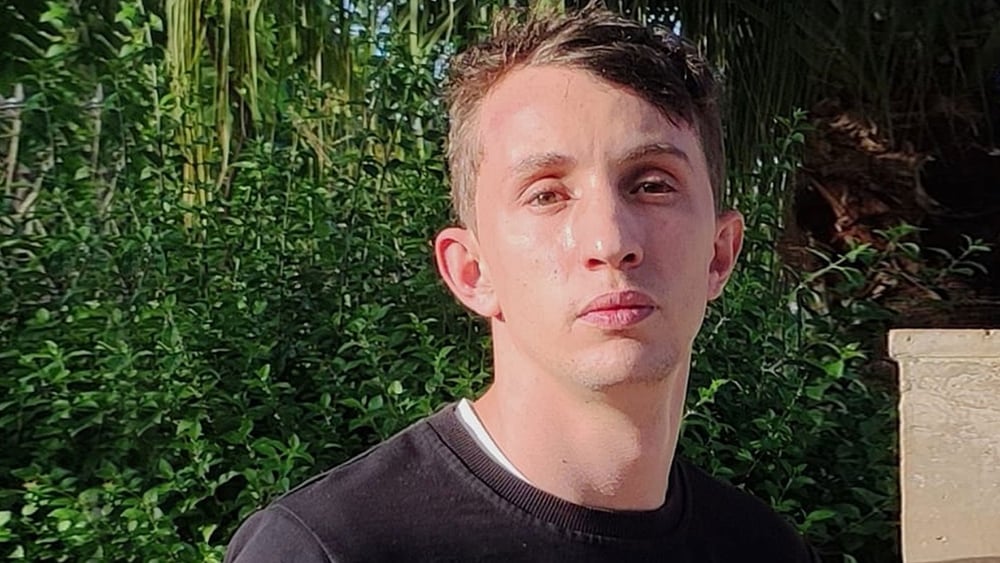
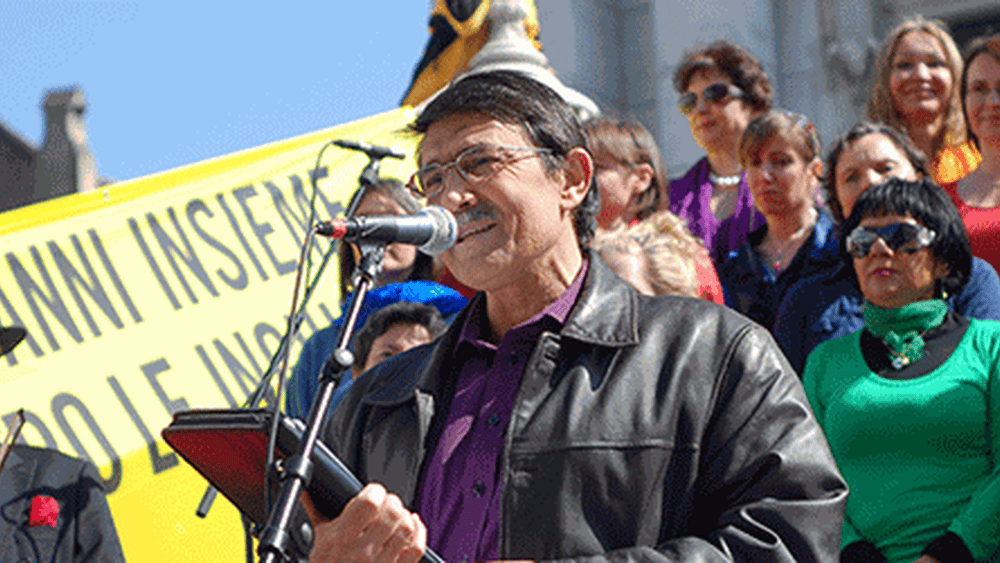
Mohamed Tadjadit, known as the poet of the Hirak movement, has been arbitrarily detained since January 2025 solely for exercising his rights to freedom of expression and peaceful assembly. He is awaiting trial together with 12 other activists on state security charges punishable by long prison terms and the death penalty, solely for peacefully advocating for political change. Their trial is scheduled on 30 April 2026. He is already serving a two-year prison sentence following his conviction on unfounded terrorism-related charges, upheld on appeal in January 2026. Algerian authorities must immediately and unconditionally release him and drop all charges as they solely stem from the exercise of his human rights.
Since the Hirak protest movement erupted in 2019 calling for broad political reforms in Algeria, authorities have repeatedly targeted activist and poet Mohamed Tadjadit, known as the «poet of the Hirak» for his peaceful activism and expression of dissident views. He has faced multiple arrests and at least seven prosecutions linked to his social media posts, poetry and support to peaceful protests. Mohamed Tadjadit has been detained at El Harrach prison in Algiers since January 2025. He spent nine months in pretrial detention between January and November 2024, before being released on a presidential pardon. On 16 January 2025, police re-arrested him in connection to his poetry and social media posts criticizing socioeconomic policies in Algeria.
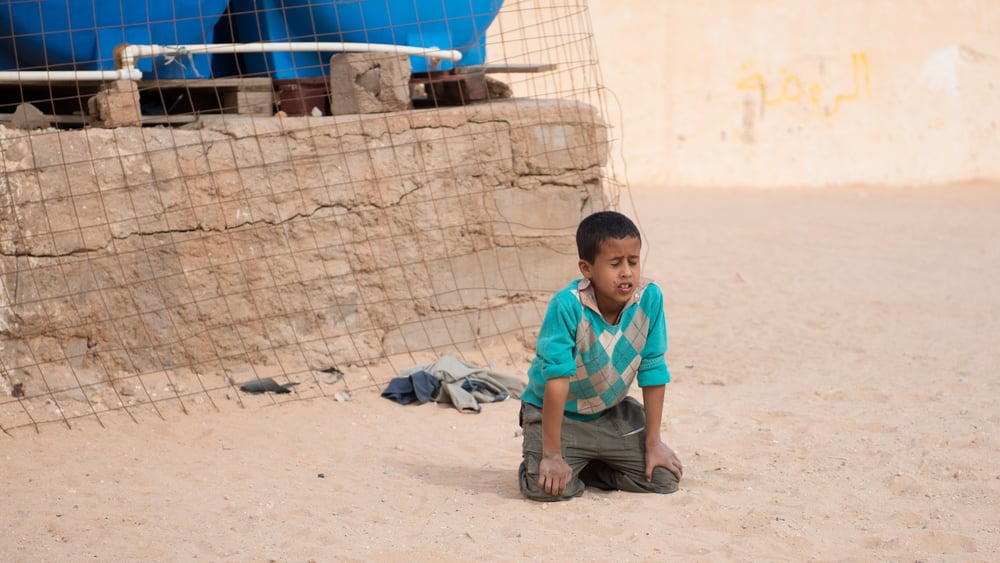
In one criminal case, Mohamed Tadjadit is being prosecuted alongside 12 other activists (six currently detained, two in exile and four at liberty pending trial). The proceedings, which were postponed twice, are scheduled to commence on 30 April 2026. They are accused of «conspiring to incite citizens against the authority of the state and to undermine national unity» under Articles 77, 78 and 79 of the Penal Code, an offence punishable by severe prison terms and can lead the death penalty. They also face additional charges including «receiving funds to carry out actions undermining state security or stability», «publishing content harmful to national interest», and «inciting to an unarmed gathering» under Articles 95bis, 95bis 1, 96 and 100 of the Penal Code. To support the accusations against Mohamed Tadjadit and four of his co-defendants, the prosecution notably referred to a video they shared online in April 2021 exposing the testimony of a child tortured in police custody. Mohamed Tadjadit and his four co-defendants were convicted in relation to the publication of this video and sentenced to 16 months in prison in a separate case.
In a second case, on 14 January 2026, the Algiers Court of Appeals upheld Mohamed Tadjadit’s conviction but reduced his sentence to three years imprisonment (two years to be served and one suspended), following the first instance ruling of 11 November 2025 by the Dar El Beïda tribunal, which had sentenced him to five years in prison. The Court of Appeals also confirmed a fine of 200,000 Algerian dinars [EUR 1,300] and 500,000 Algerian dinars [3,300 EUR} in civil damages. He was convicted of «glorifying terrorism», «using communication technologies to support terrorist organizations», «inciting to unarmed gathering» and «offending public bodies» respectively under Articles 87bis 4, 87bis 12, 100 and 146 of the Penal Code. In both cases, charges are based on Mohamed Tadjadit’s social media publications and private digital communications protected under the rights to freedom of expression, and on his peaceful activism advocating for political change. The legal provisions lack legal clarity and notably rely on an overbroad definition of «terrorism» which includes «attempting to seize power or change the system of governance by unconstitutional means» and «undermining national unity».
In a third case, on 20 January 2025, the Rouiba tribunal of first instance in Algiers convicted Mohamed Tadjadit for «inciting to unarmed gathering», «undermining national unity», «publishing content harmful to national interest» and «offending public bodies» under an expedited trial procedure without his lawyer present violating this right to adequate defence. In cases of «flagrante delicto», the public prosecution can refer defendants to trial within days of their summoning or arrest, if they consider that a judicial investigation is not required. Such expedited procedures risk undermining individuals’ right to adequate time and facilities to prepare their defence and their right to legal counsel of their choice. Defendants can request their trial to be postponed but then risk being placed under pretrial detention without the judge showing that the measure is reasonable and necessary. The court sentenced Mohamed Tadjadit to five years in prison and a fine based on social media posts, including poetry criticizing the Algerian government’s political and socioeconomic policies, as well as private communications with other activists. On 22 May 2025, the Court of Algiers upheld his conviction on appeal but reduced his sentence to one year in prison. In a communication on 8 December 2025, several UN Special Procedures mandate holders concluded that his detention was arbitrary, as he was prosecuted solely for his peaceful activism and the exercise of his freedom of expression, and that his right to a fair trial had been violated. They called for his immediate release.
Since the outbreak of the «Hirak» protests in 2019, demanding broad political reforms, the Algerian authorities have maintained a brutal crackdown on peaceful dissent by arresting, detaining and convicting activists, journalists, and ordinary citizens expressing opposition to the government, including using vague terrorism charges. Algeria has not carried out any executions since 1993 but has yet to abolish the death penalty. Courts continue to sentence dissidents to death in unfair trials. Amnesty International opposes the death penalty unconditionally, in any cases and under any circumstances.